













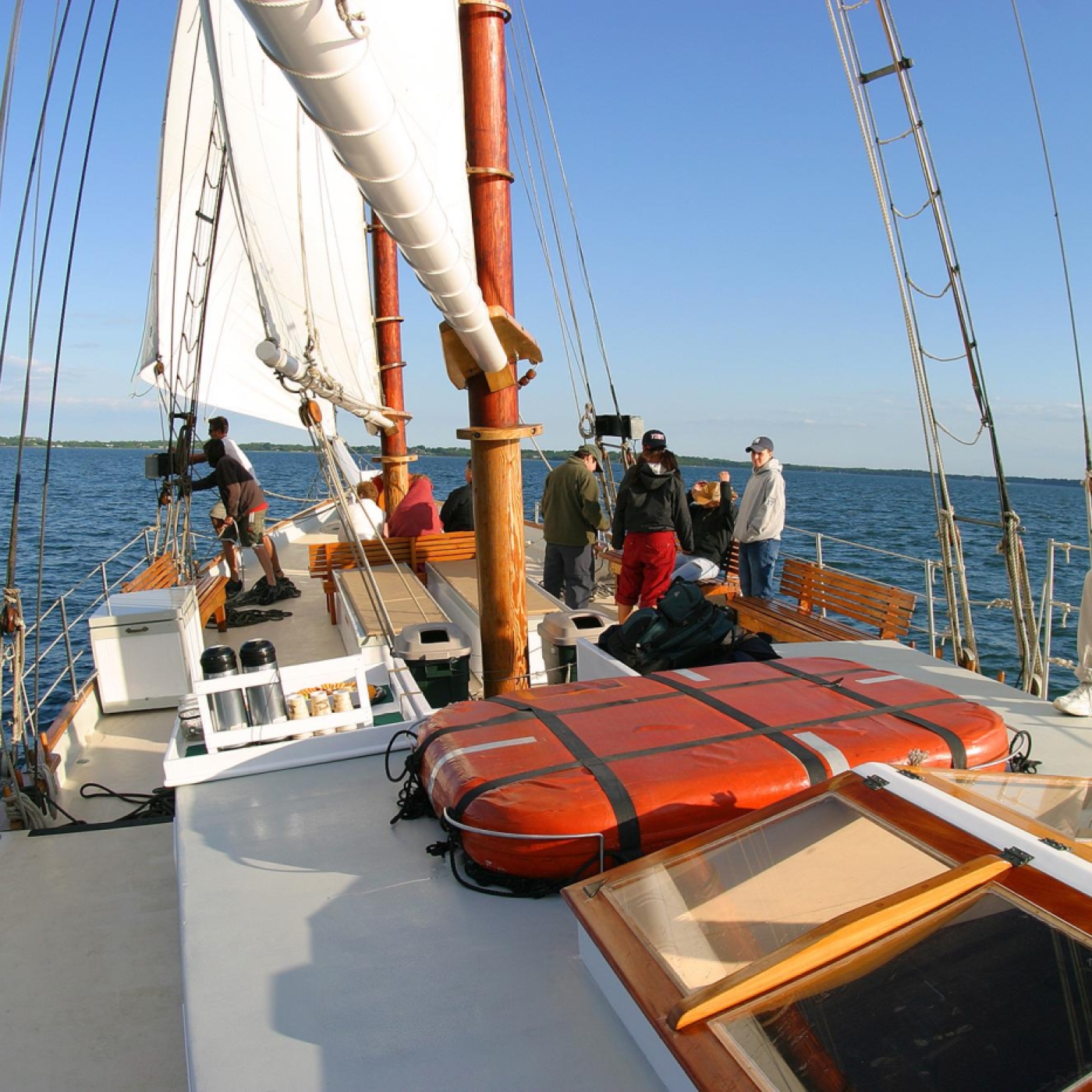
Sailing Along
Long Island Sound is one of the great cruising grounds for sailors and sailboats of all types and stripes. Whether your pleasure is helping crew on a yacht, captaining your own vessel or simply going along for the ride, you’ll find something that’ll make you shout “Ahoy!”
- Spring
- Summer
- Fall
- Take the Helm
- The Schooner Option
- Rollin’ on the River
Mystic Seaport Museum, Mystic


Take the Helm
If you get yourself down to the Boathouse at Mystic Seaport Museum, you’ll find a number of sailing options available. One of the most fun is renting a sailboat and exploring the waters of the Mystic River at your own speed and in your own way. Another option would be to arrange for a day charter of the Seaport’s 33-foot ketch Araminta and get out on the open waters of the Sound.
Argia Mystic Cruises, Mystic
The Schooner Option
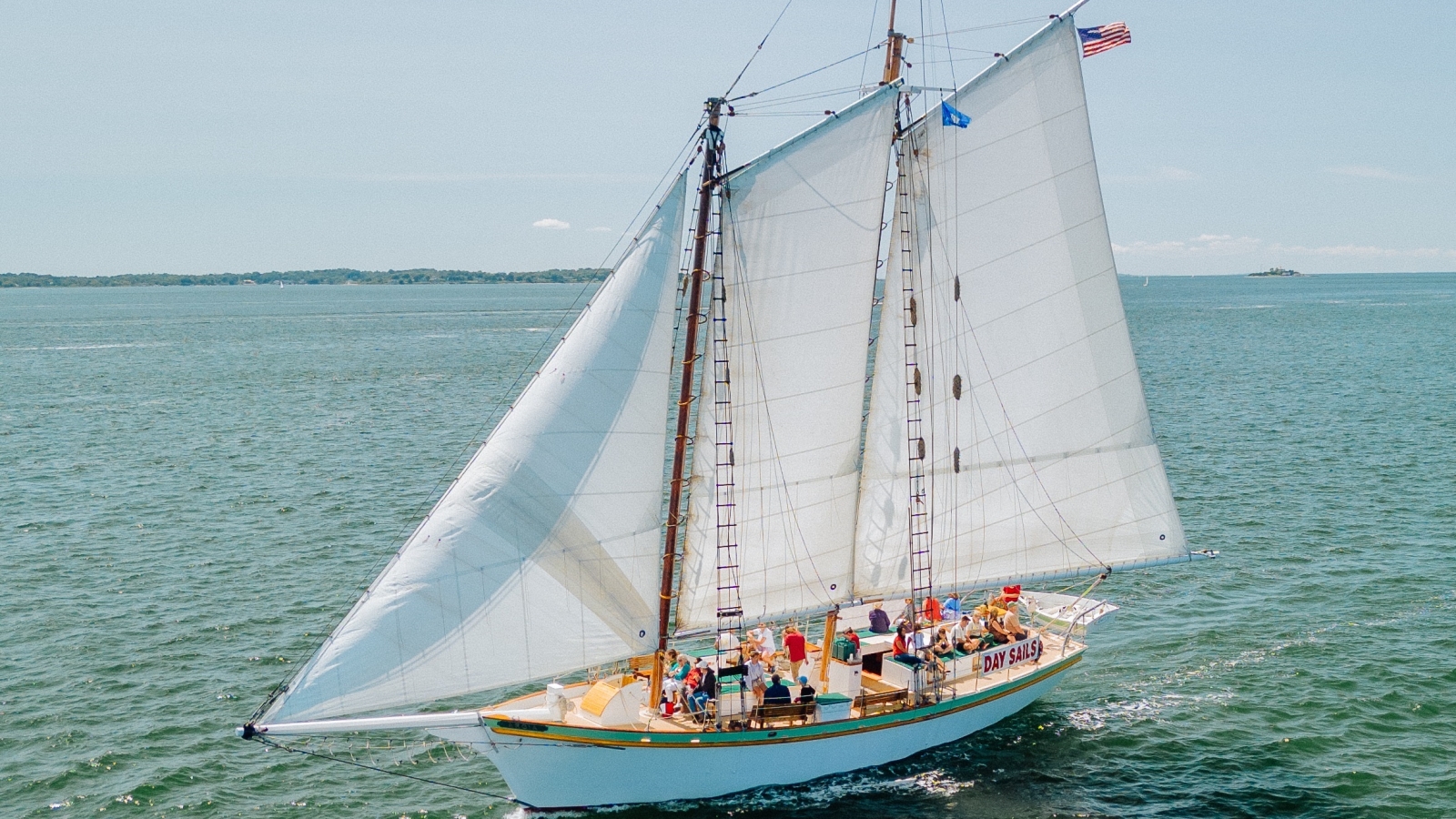
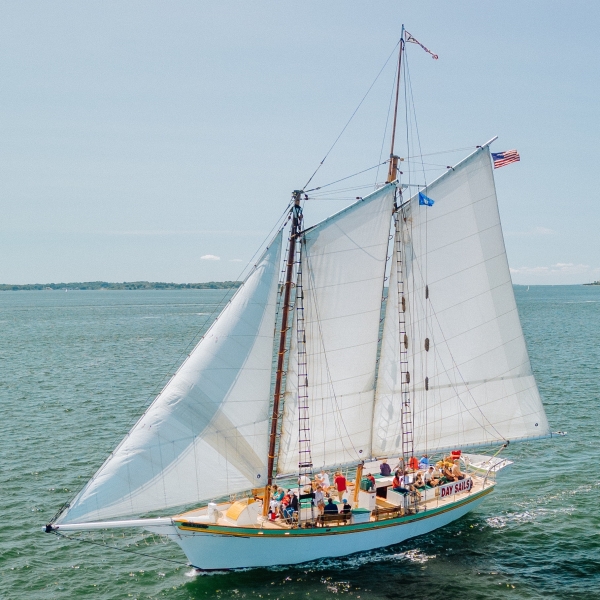
Also located in Mystic, the 81-foot Schooner Argia is a great way to get out on the salty sea. Climb aboard for a half-day or sunset cruise and you’ll sail past islands, lighthouses and other boat traffic as you breathe in the copious fresh air. Similarly, the Schooner Mystic Whaler has been plying local waters for more than 40 years, offering day cruises and, for a truly memorable sail, multiday excursions as well.


Connecticut River Museum, Essex
Rollin’ on the River
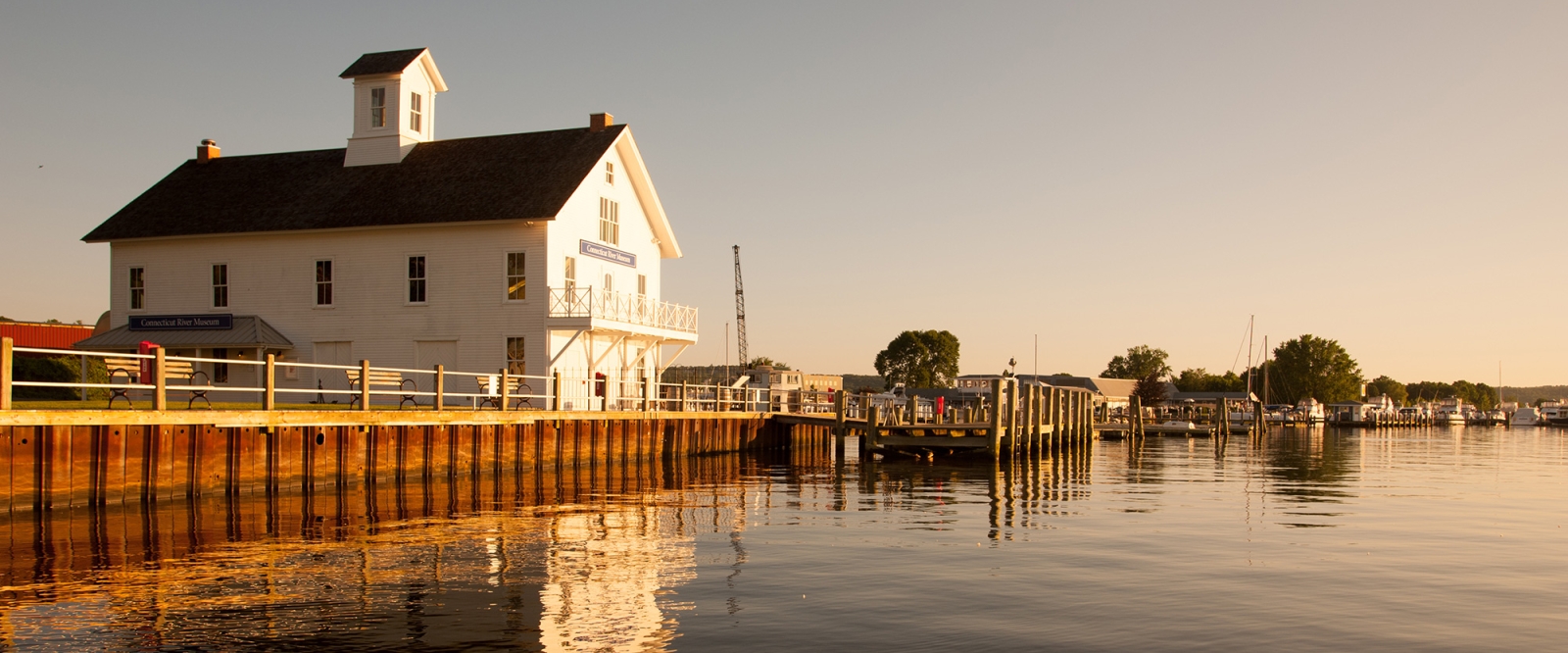
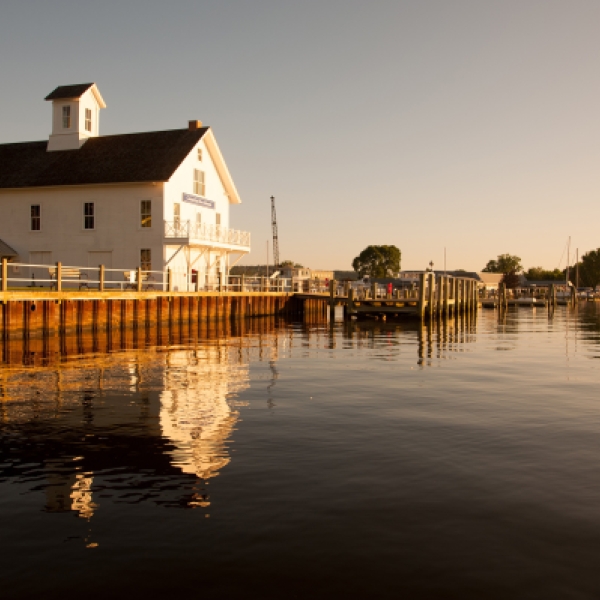
When you are ready to leave Mystic after your lunch, dinner or overnight (find options for all three right here), you can – and should - extend your sailing vacation with a drive over to the Connecticut River Museum in Essex. Here, the Schooner Mary E offers river excursions and sunset sails. It won’t be hard to see for yourself why the Lower Connecticut River Valley is one of the most beautiful destinations in New England.